Explore three Classical-era performance practices — rhythmic flexibility, pedaling, and improvisation — to see how these concepts can enrich your interpretations of Haydn, Mozart, and Beethoven.
Read More
Historical practices and keyboard instruments from the Classical era.
Explore three Classical-era performance practices — rhythmic flexibility, pedaling, and improvisation — to see how these concepts can enrich your interpretations of Haydn, Mozart, and Beethoven.
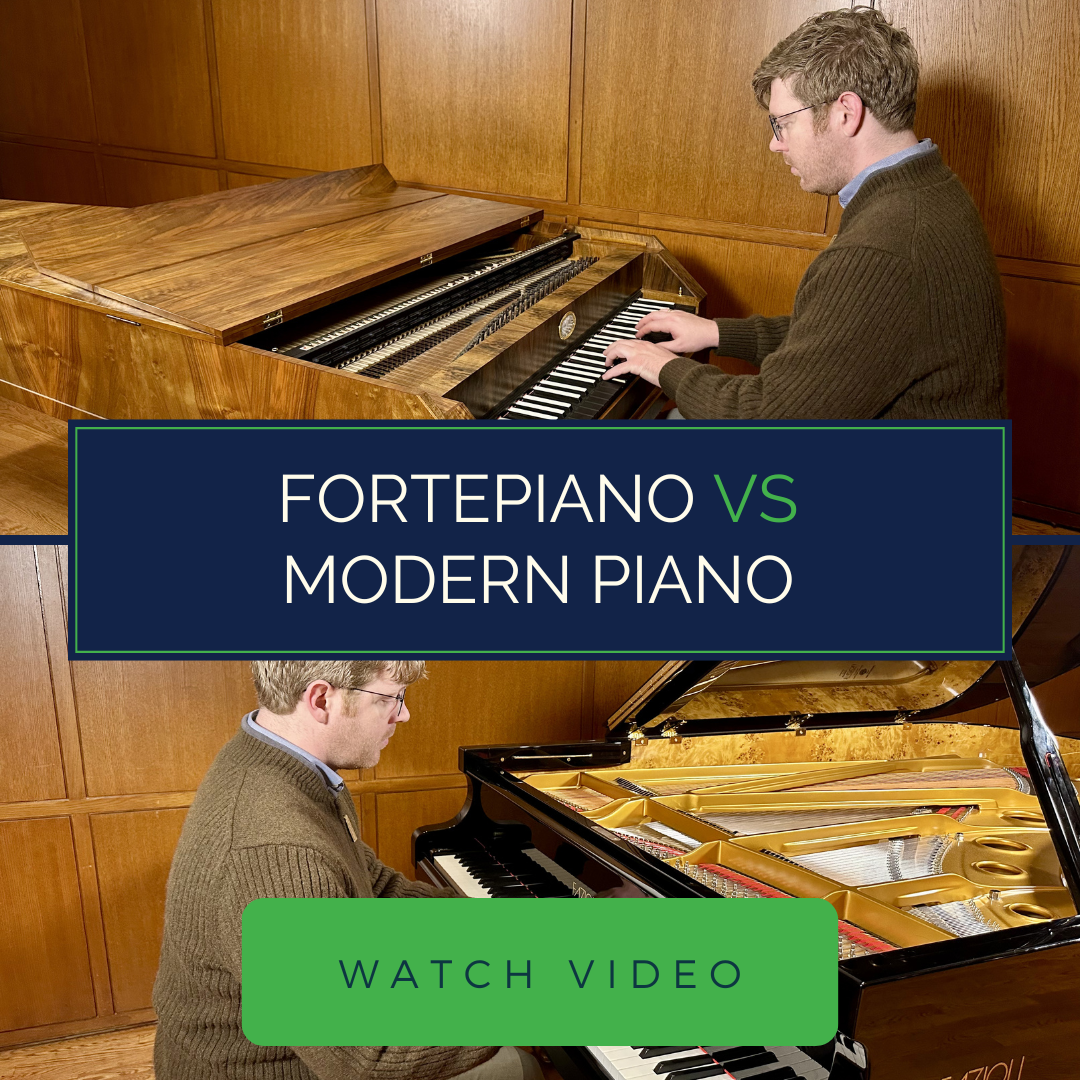
Read MoreSee a fortepiano vs. piano comparison using sound creation, sound qualities, and tuning to help inform your interpretations on the modern piano.
Read MoreThe pianos used in Mozart and Beethoven’s era evolved dramatically — and those changes shaped what composers wrote. This video compares different fortepianos so you can hear their impact.
Read MoreMozart and Beethoven wrote their piano music to be played on fortepianos — early pianos much different from modern pianos. Let’s take a look at these instruments.
Read MoreUnequal temperaments, also known as Well-temperaments, give subtle characteristics to each key. These characteristics were exploited by composers like Mozart and Beethoven — but are completely lost in today's equal temperament.
Read MoreMozart wrote more than just notes. He wrote detailed articulation marks – like slurs – that dramatically affect the interpretation of his music.
Read MoreModern pianists are often told to ignore Beethoven's pedal markings, so why did he write them? Let's look at the question using a piano from Beethoven's era.
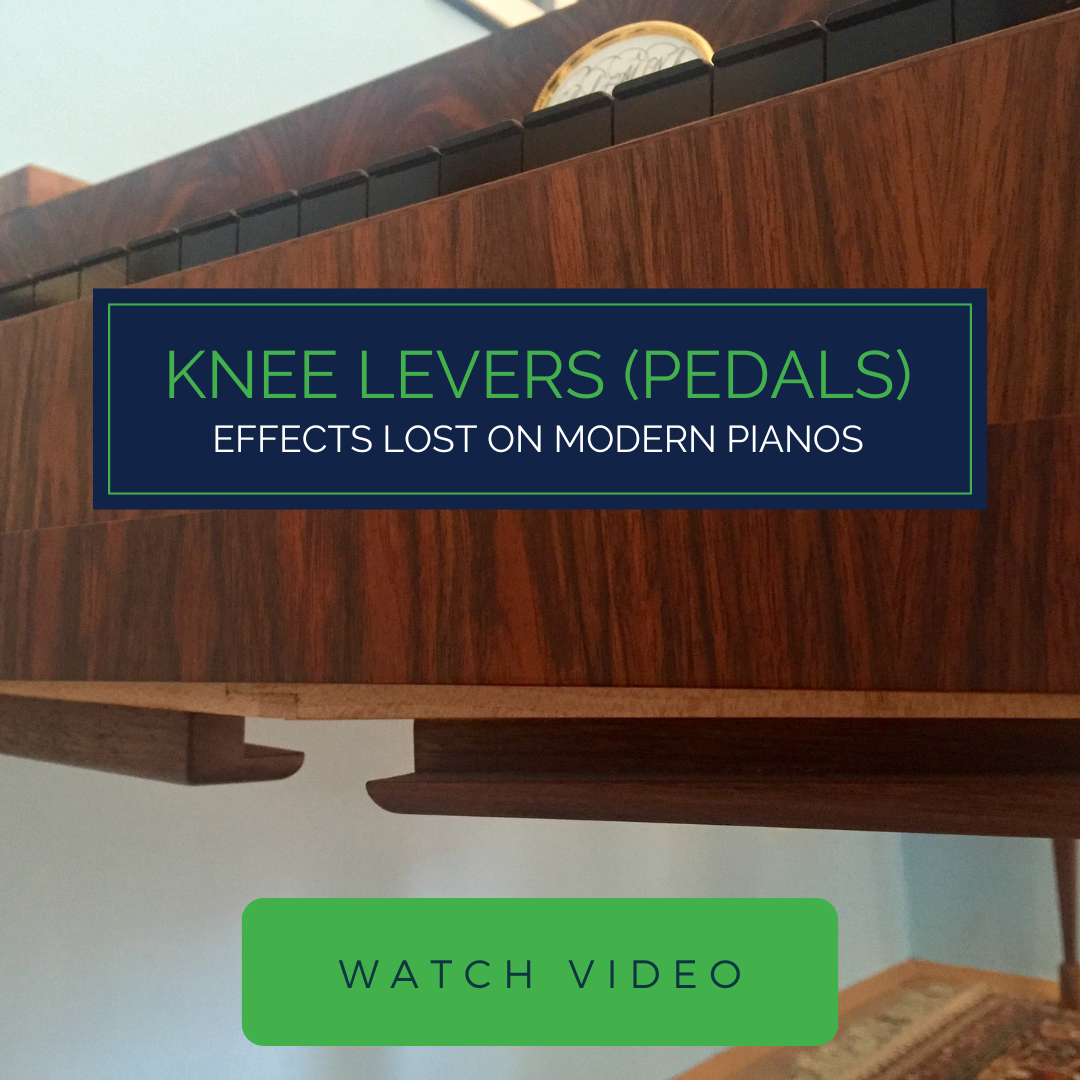
Read MoreLost on the modern piano: The creative effects achieved by using fortepiano knee levers (pedals). Let's take a look at how these unique characteristics can be exploited in Mozart's music.
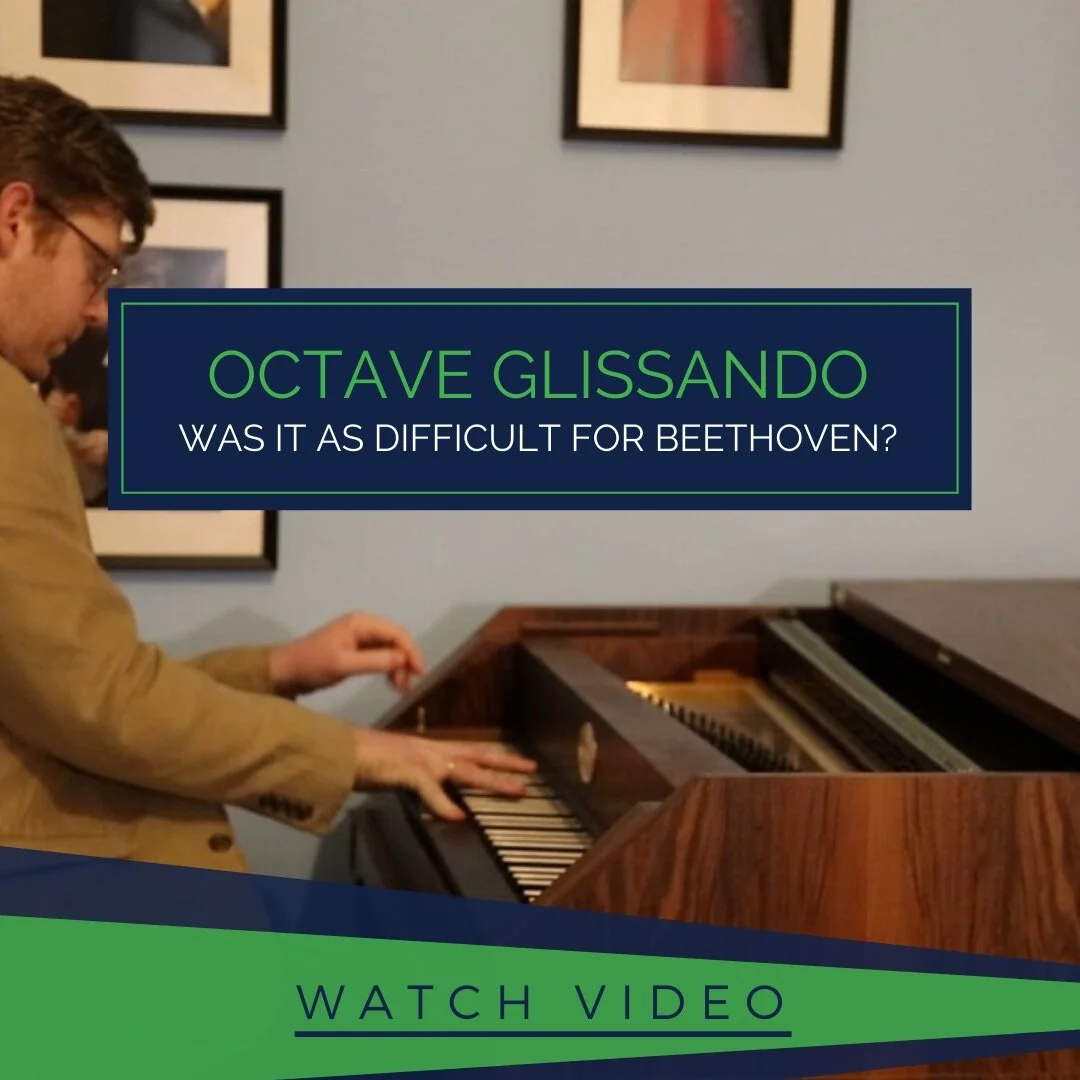
Read MoreWas the octave glissando in Beethoven's C Major Piano Concerto as difficult for Beethoven as it is for today's pianists? Let's look at the problem on Beethoven's instrument.
Read More